
Every year, World Password Day highlights a critical reality: digital security starts with a strong password. Even though it seems basic, millions of users still rely on weak or repeated credentials. For that reason, this initiative has become a key date in the tech calendar.
Moreover, it encourages both companies and individuals to improve cybersecurity practices. Throughout this article, you’ll explore its history and discover insightful facts that explain its relevance today.
History of World Password Day and its impact on cybersecurity
This initiative was created in 2013 by Intel to raise awareness about protecting digital identities.
However, the idea originated from a concept by security expert Mark Burnett, who suggested having a dedicated day to update passwords regularly.
Since then:
- It is celebrated on the first Thursday of May
- Over 200 global organizations actively participate
- It has been integrated into corporate cybersecurity strategies
As a result, it has evolved alongside technologies like multi-factor authentication (MFA) and biometrics. Still, passwords remain the first line of defense.
Fun facts that reveal risky password habits
This global initiative also exposes common behaviors that put users at risk. Despite access to advanced tools, many people still make basic mistakes.
Key statistics
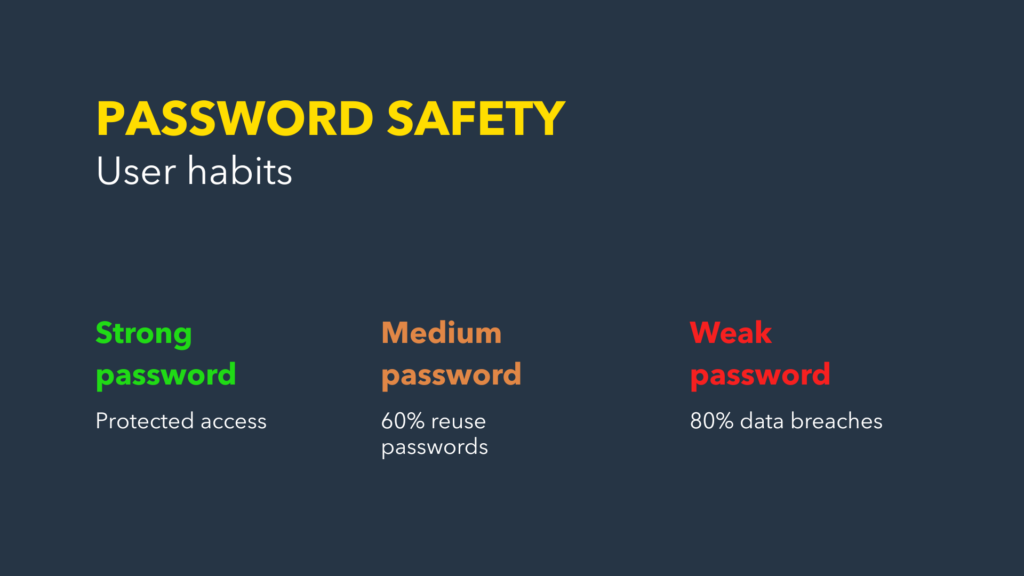
- 80% of data breaches are linked to weak passwords
- Over 60% of users reuse passwords across platforms
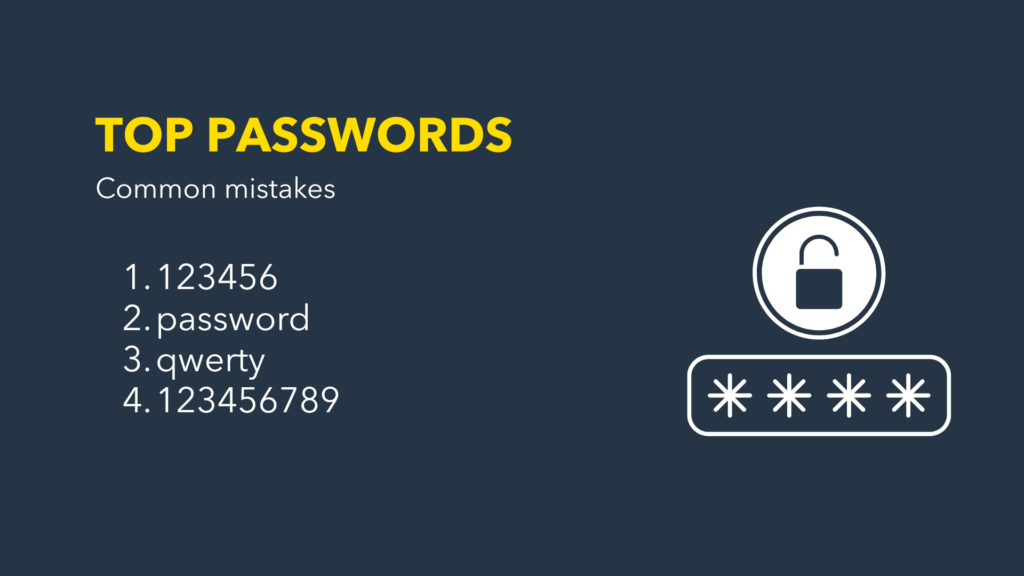
- “123456” and “password” remain among the most used
These insights prove how necessary continuous awareness still is.
Passwords vs human behavior
Even with constant recommendations, people often prioritize convenience over security. For example:
- They choose easy-to-remember passwords
- They avoid updating credentials frequently
- They underestimate cybersecurity risks
Therefore, ongoing education remains essential to changing these habits.
Evolution in the digital era
This awareness movement has grown alongside technological advancements. Today, organizations implement more robust solutions to protect data.
Emerging security trends
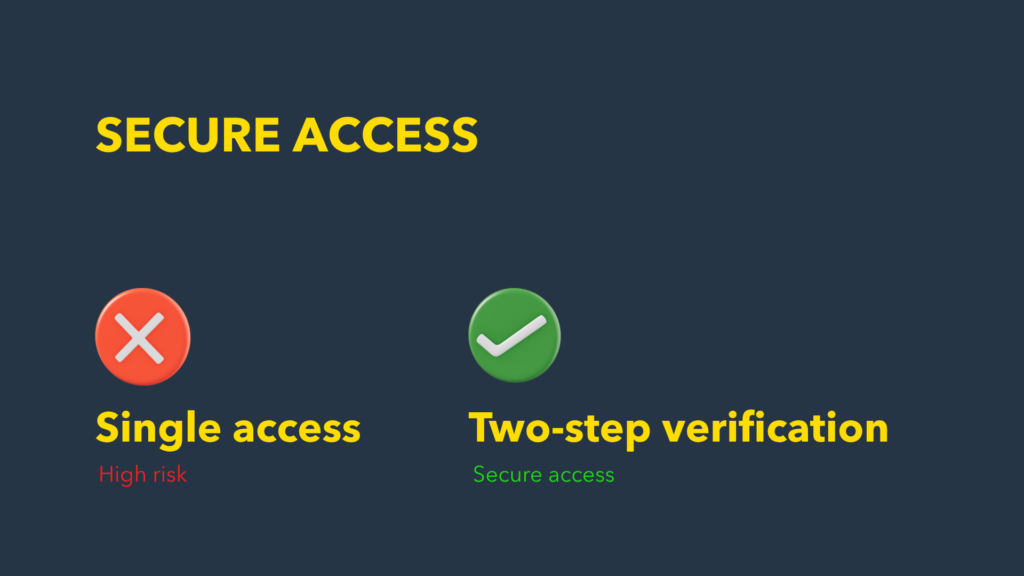
- Multi-factor authentication (MFA)
- Adds an extra layer of protection
- Reduces unauthorized access by up to 99%
- Password managers
- Generate strong passwords automatically
- Simplify credential management
- Passkeys and biometrics
- Replace traditional passwords
- Improve user experience
Even so, passwords remain widely used across systems.
How to leverage this day in your company
This date represents a strategic opportunity to strengthen cybersecurity culture.
Recommended actions
- Implement strong password policies
- Train teams on security best practices
- Integrate multi-factor authentication
- Audit access and credentials
Additionally, companies can use this moment to launch internal awareness campaigns.
This global initiative remains essential because, while technology evolves rapidly, human habits change slowly. As a result, strengthening digital security must remain a constant priority.
Ultimately, it reminds us that a strong password can be the difference between protecting and exposing critical information.
If you want to explore more insights like this, you can visit our blog, Xideral Notes, where we share ideas, trends, and perspectives for tech professionals and organizations.
Xideral Team