

Today, scalable technical leadership has become a critical factor for technology organizations seeking sustainable growth. However, as projects expand and business demands increase, technical leaders frequently absorb operational responsibilities that limit their ability to focus on strategy, architecture, and innovation.
As a result, decision-making slows down, technical alignment weakens, and organizations face a growing risk of leadership burnout.
While these challenges often emerge gradually, they can significantly impact software quality, delivery speed, and long-term business outcomes.
Why scalable technical leadership matters for growing teams
Technical leaders play a vital role in defining architecture standards, evaluating technologies, guiding development practices, and supporting engineering teams. Yet many organizations rely too heavily on a small group of senior leaders to manage both strategic and operational responsibilities.
Common warning signs include:
- Delayed architecture reviews.
- Increased operational meetings.
- Limited mentoring availability.
- Growing technical debt.
- Slower technical decisions.
Consequently, teams become dependent on a few individuals, creating bottlenecks that affect overall productivity.
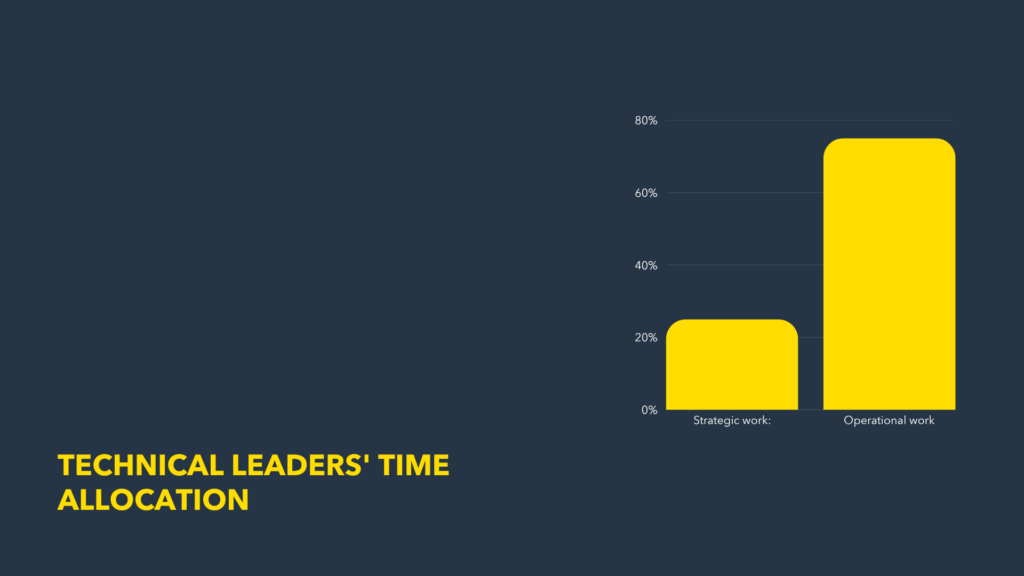
The business impact of lacking scalable technical leadership
Organizations often underestimate how leadership overload affects performance.
Slower decision-making
Technical leaders who constantly switch between operational and strategic tasks struggle to prioritize critical initiatives. Therefore, important decisions frequently remain pending.
Increased burnout risk
Continuous pressure creates mental fatigue and reduces leadership effectiveness. Furthermore, burnout among key technical leaders can lead to turnover and knowledge loss.
Weak technical direction
Without sufficient time for planning and communication, teams begin making inconsistent technical decisions. As a result, systems become harder to maintain and scale.
Building scalable technical leadership through talent strategies
Organizations can address these challenges by expanding execution capacity and distributing responsibilities more effectively.
Staff Augmentation supports strategic focus
Staff Augmentation enables companies to add specialized talent quickly and efficiently. By bringing in experienced professionals, organizations can reduce operational pressure on technical leaders.
This approach helps leaders:
- Focus on strategic initiatives.
- Improve technical governance.
- Accelerate innovation projects.
- Eliminate operational bottlenecks.
In addition, flexible staffing models allow organizations to scale resources according to project needs without increasing permanent headcount.
Headhunting strengthens critical roles
When organizations need highly specialized talent, Headhunting provides access to professionals who can fill leadership or niche technical positions.
By strengthening key roles, companies distribute responsibilities more effectively and reduce dependence on individual contributors.
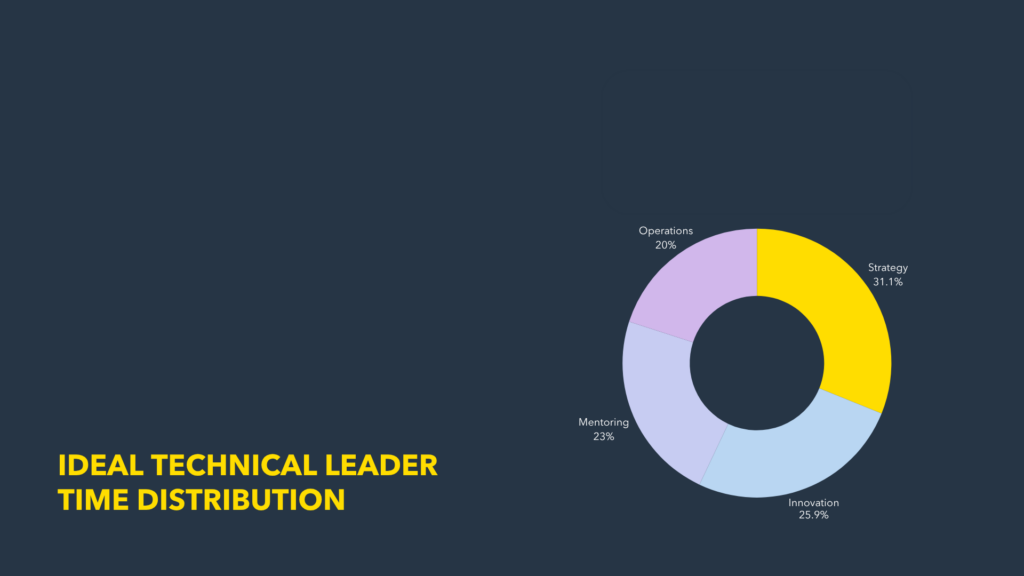
The future requires scalable technical leadership
Technology organizations need leaders who can focus on innovation, architecture, and long-term technical vision. However, achieving that goal requires the right support structure and access to specialized talent.
Investing in scalable technical leadership helps reduce burnout, accelerate decision-making, and improve technical direction. More importantly, it creates an environment where teams can innovate, scale efficiently, and deliver consistent business value.
If your technical leaders spend more time managing operations than driving strategy, explore how Staff Augmentation and Headhunting solutions can help your organization build stronger, more scalable technology teams.
Explore how Staff Augmentation and Training Academies can accelerate your technology goals at Xideral.
Xideral Team