
When companies launch new digital products, speed often becomes the primary objective. However, scalable software architecture should be part of the conversation from day one. Early architectural choices directly influence a platform’s ability to handle growing workloads, support new features, and maintain performance over time.
In fintech and SaaS environments, growth can happen rapidly. As user bases expand and transaction volumes increase, systems that were not designed for scale begin to show limitations.
Organizations frequently discover that technical shortcuts taken during initial development become expensive obstacles later. Performance issues, operational inefficiencies, and rising infrastructure costs often follow.
How Early Decisions Shape Long-Term Scalability
Software architecture creates the foundation that supports future growth. If that foundation lacks flexibility, every new requirement becomes harder and more expensive to implement.
Common architectural mistakes include:
- Tightly coupled components.
- Monolithic databases.
- Limited service separation.
- Manual deployment processes.
- Poor observability practices.
Although these approaches may accelerate initial delivery, they frequently create long-term constraints.
The Financial Impact of Poor Architecture
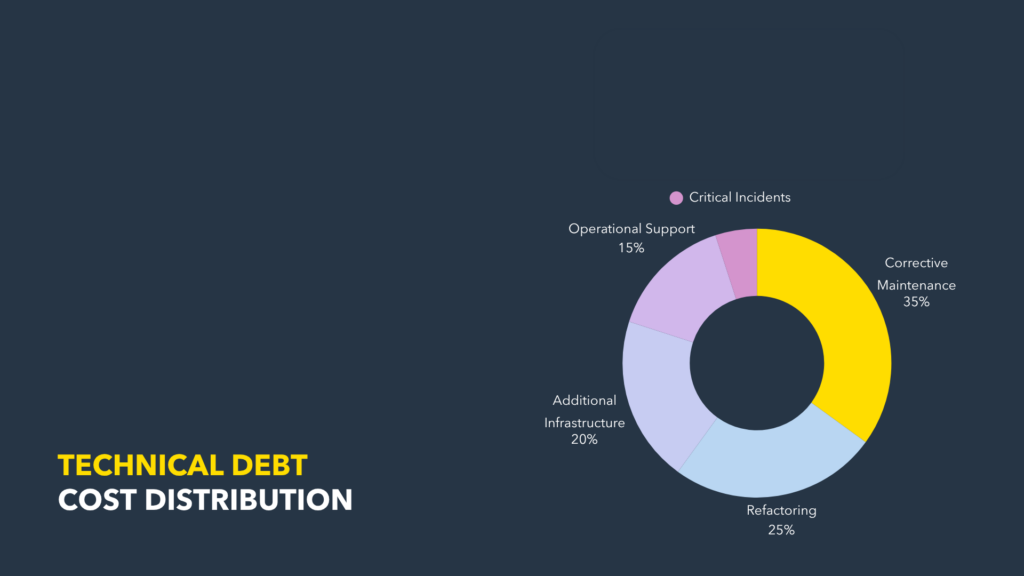
Architecture issues rarely appear as immediate expenses. Instead, they gradually increase operational complexity and maintenance costs.
Engineering teams spend more time troubleshooting, fixing technical debt, and supporting aging systems. At the same time, delivering new features requires additional effort and resources.
In fintech environments, where uptime and reliability directly affect revenue, even small performance problems can generate significant business consequences.
As a result, scalable software architecture represents much more than a technical initiative. It is a business investment that supports sustainable growth.
Main Financial Consequences
- Increased infrastructure spending.
- Higher technical debt.
- Slower product development.
- Greater maintenance costs.
- Increased operational risk.
How Custom Software Supports Scalable Software Architecture
Custom Software development allows organizations to create solutions aligned with their specific business objectives.
Instead of adapting operations to platform limitations, teams can build systems designed to evolve alongside business requirements.
An effective architecture strategy includes:
- Growth-oriented architectural planning.
- Modular application design.
- Deployment automation.
- Scalable infrastructure.
- Continuous performance monitoring.
These practices reduce future risks while maintaining consistent user experiences.
Building for the Future from Day One
Architecture decisions influence far more than current platform performance. They determine how effectively a business can adapt, innovate, and compete over time.
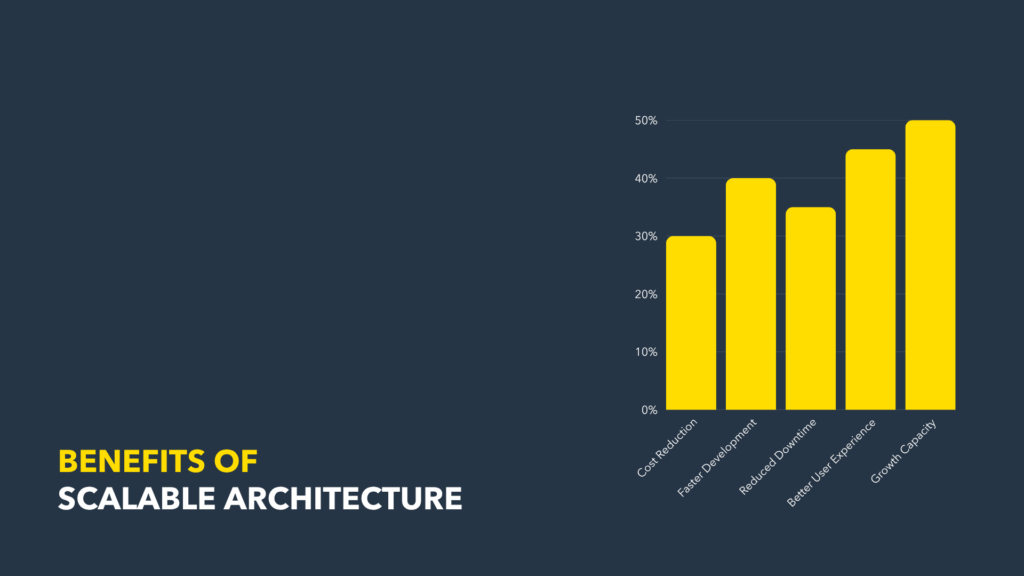
Investing in scalable software architecture helps organizations reduce operational costs, accelerate product delivery, and support continuous growth without sacrificing reliability.
Companies that prioritize strong architectural foundations position themselves to scale confidently while maintaining performance and customer satisfaction.
Ready to build technology that grows with your business? Explore how our Custom Software solutions help organizations create scalable, resilient, and future-ready platforms.
Xideral Team