
A strong cloud migration strategy is one of the most important factors behind successful digital transformation initiatives. While cloud adoption promises flexibility, scalability, and cost optimization, many enterprises discover that moving workloads without a structured roadmap creates unexpected financial and operational challenges.
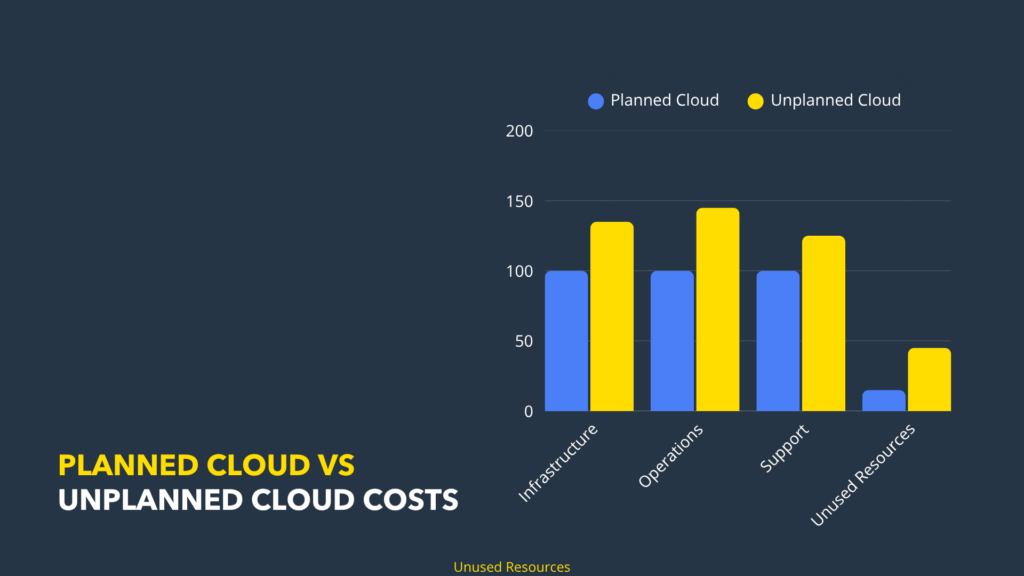
Cloud technology delivers significant advantages. However, organizations that focus only on migration and ignore long-term planning often experience higher expenses than they anticipated. In some cases, poorly implemented cloud environments become more expensive than traditional on-premises infrastructure.
How a cloud migration strategy controls operational costs
The pay-as-you-go model provides flexibility. Yet, it also creates opportunities for overspending when governance and monitoring are missing.
Common mistakes include:
- Overprovisioned resources.
- Unused virtual machines.
- Inefficient architectures.
- Lack of visibility into consumption.
- Poor workload allocation.
As a result, cloud bills increase month after month while business value remains unchanged.
Hidden expenses organizations frequently overlook
Many enterprises calculate migration costs but underestimate long-term operational spending.
Typical hidden costs include:
- Data transfer fees.
- Additional software licensing.
- Managed service charges.
- Employee training.
- Application modernization efforts.
Without comprehensive planning, these expenses can significantly impact ROI and delay expected benefits.
Why a cloud migration strategy improves efficiency
Cost control is only one part of the equation. Operational performance also depends on how workloads are designed and managed.
Organizations that migrate applications without analyzing dependencies, usage patterns, and business requirements often face:
- Reduced application performance.
- Increased operational incidents.
- Scaling challenges.
- Administrative complexity.
Conversely, strategic planning enables teams to optimize resources from day one while maintaining service reliability.
Building the right architecture from the start
Every application requires a different modernization approach.
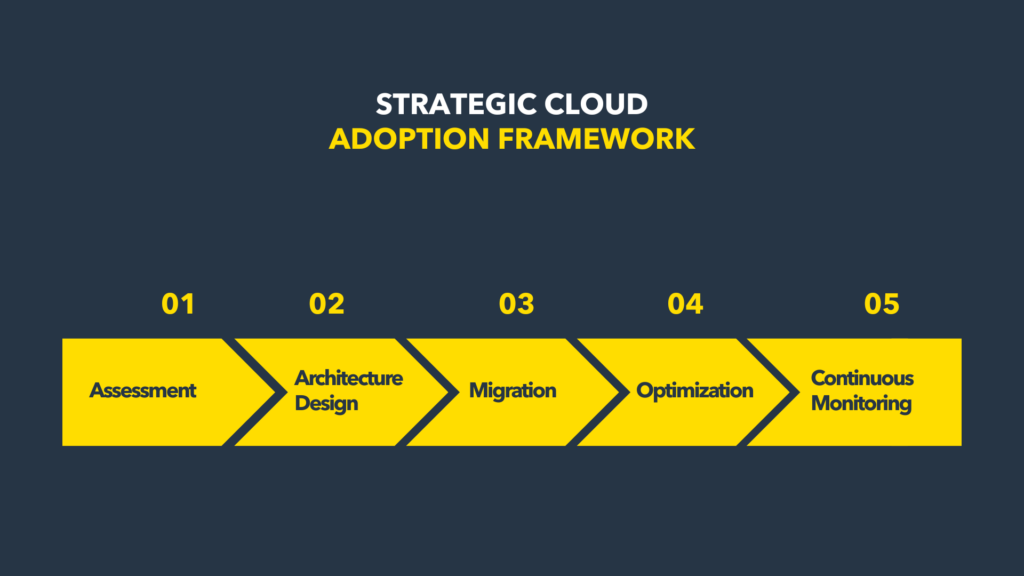
Before migration, organizations should evaluate:
- Workload characteristics.
- System dependencies.
- Security requirements.
- Expected growth.
- Performance objectives.
This assessment creates a foundation for long-term cloud efficiency and business alignment.
The role of Software Factory services in enterprise cloud adoption
Successful cloud initiatives require more than infrastructure deployment. They also depend on software modernization, integration, and continuous optimization.
Software Factory teams help organizations evaluate existing applications, identify improvement opportunities, and develop solutions that support business goals.
This approach reduces risk while accelerating transformation efforts.
Key benefits of strategic implementation
Organizations that align cloud investments with business objectives typically achieve:
- Better financial control.
- Higher operational efficiency.
- Predictable scalability.
- Lower technology risk.
- Continuous resource optimization.
As a result, cloud becomes a business enabler rather than simply a technology platform.
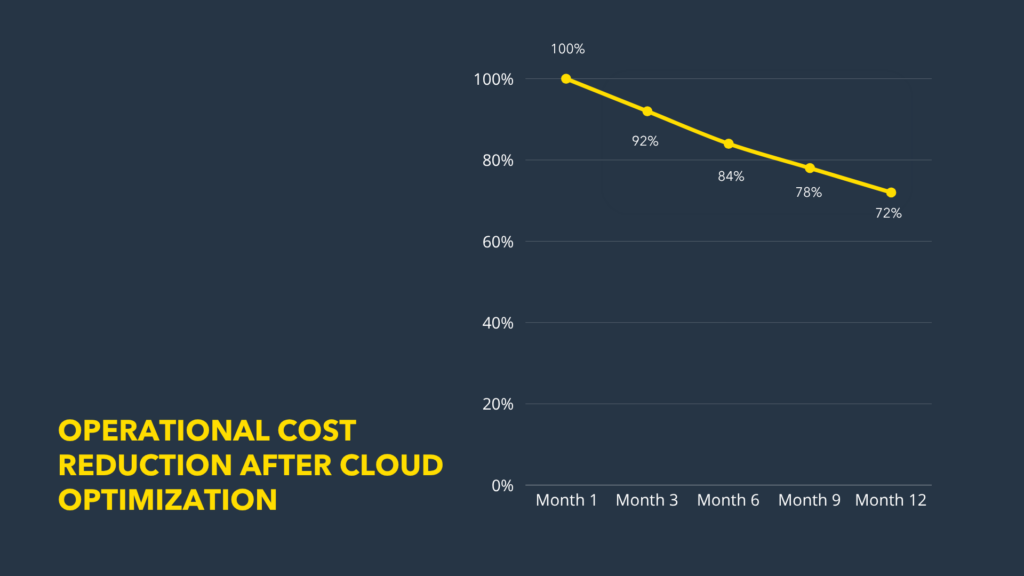
Moving to the cloud does not automatically generate savings. The difference between a successful investment and escalating costs lies in planning. A well-executed cloud migration strategy enables organizations to maximize cloud benefits, optimize resources, and prevent digital transformation initiatives from becoming more expensive than on-premises environments.
Looking to modernize your technology ecosystem? Explore how our Software Factory services can help you design a scalable, efficient, and business-driven cloud adoption strategy.
Xideral Team