

Blind spot detection in cybersecurity allows organizations to identify invisible gaps before they are exploited. Discover how to achieve total visibility with a Zero Trust approach.
The detection of cybersecurity blind spots has become a critical factor for modern organizations. Many companies still operate complex, hybrid, and distributed infrastructures without real visibility over all their assets. As a result, attackers exploit these unmonitored zones to infiltrate systems undetected.
The growth of cloud environments, remote work, and unmanaged devices has multiplied entry points. Identifying and closing these blind spots is no longer optional—it’s a strategic necessity to reduce operational, financial, and reputational risks.
What is Blind Spot Detection in Cybersecurity and Why It Matters
Blind spot detection in cybersecurity consists of identifying areas of your technology infrastructure that lack monitoring, control, or effective protection. These areas become silent pathways for advanced attacks.
Common cybersecurity blind spots include:
- Unmanaged or untracked assets
- Encrypted traffic without inspection
- Endpoints outside security policies
- Cloud applications without continuous monitoring
- Integrations between systems lacking visibility
Without detecting these blind spots, organizations lose the ability to respond to incidents in real time. Visibility becomes the cornerstone of any modern cybersecurity strategy.
Benefits of Blind Spot Detection
Implementing a solid blind spot detection strategy in cybersecurity generates measurable benefits immediately.
Key Benefits:
- Reduced attack surface by eliminating unprotected zones
- Early threat detection before escalation
- Better regulatory compliance and simplified audits
- Faster incident response
- Lower financial impact from security breaches
Industry studies show that over 60% of advanced attacks exploit unmonitored assets. Closing these gaps has a direct impact on overall security posture.
Advanced Strategies for Blind Spot Detection
Detecting cybersecurity blind spots requires an integrated approach combining technology, processes, and continuous operations.
Automation and Continuous Monitoring
24/7 monitoring identifies anomalous behavior even outside working hours. Automation reduces human error and accelerates threat response.
Event Correlation and Unified Visibility
Centralizing network, endpoint, cloud, and application events helps detect patterns that are invisible when tools operate in isolation.
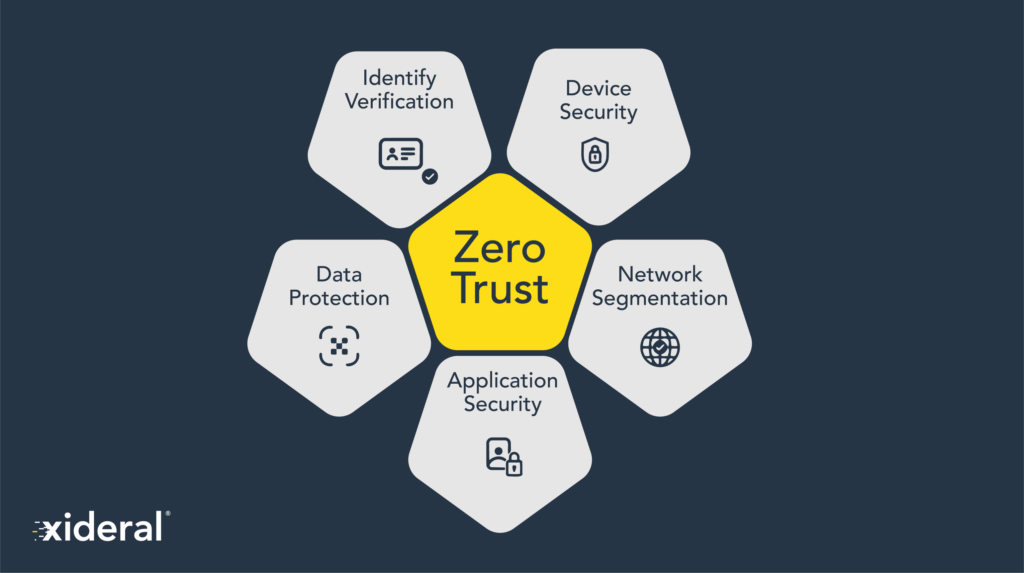
Zero Trust Approach
Zero Trust eliminates implicit trust. Every user, device, and connection is constantly validated, drastically reducing blind spots.
Tangible Results with Blind Spot Detection
Organizations that adopt a mature blind spot detection model achieve clear results:
- Up to 45% fewer critical incidents
- Over 50% faster detection times
- Reduced costs associated with breaches
- Greater control over hybrid and cloud environments
These outcomes not only strengthen security but also boost operational continuity.
Best Practices for Blind Spot Detection
To maximize results, follow these practices:
- Maintain a dynamic asset inventory
- Monitor both encrypted and unencrypted traffic
- Integrate XDR and SOC solutions
- Conduct regular security assessments
- Have experts managing security daily
Why Invest in Blind Spot Detection with Xideral
Xideral offers solutions that accelerate blind spot detection in cybersecurity through:
- 24/7/365 monitoring
- Leading technology with a Zero Trust focus
- Specialized SOC
- Scalability according to maturity levels
- Financial protection against incidents
This approach provides full visibility without increasing operational complexity.
Does your organization have real visibility across all its infrastructure?
Discover how to eliminate invisible risks and strengthen your security posture with }.
Xideral Team