
Cybersecurity is no longer optional: it’s regulatory compliance
Cybersecurity regulatory compliance has become a critical priority for organizations, especially in industries like BFSI and Pharma. As data protection regulations continue to evolve, companies must adapt quickly to avoid serious business consequences.
Moreover, regulatory bodies are increasing enforcement. Therefore, businesses must move beyond basic security measures and adopt a comprehensive strategy that integrates technology, processes, and skilled talent.
How cybersecurity regulatory compliance impacts businesses
Organizations now operate under increasing regulatory pressure. As a result, compliance directly affects financial stability, reputation, and operations.
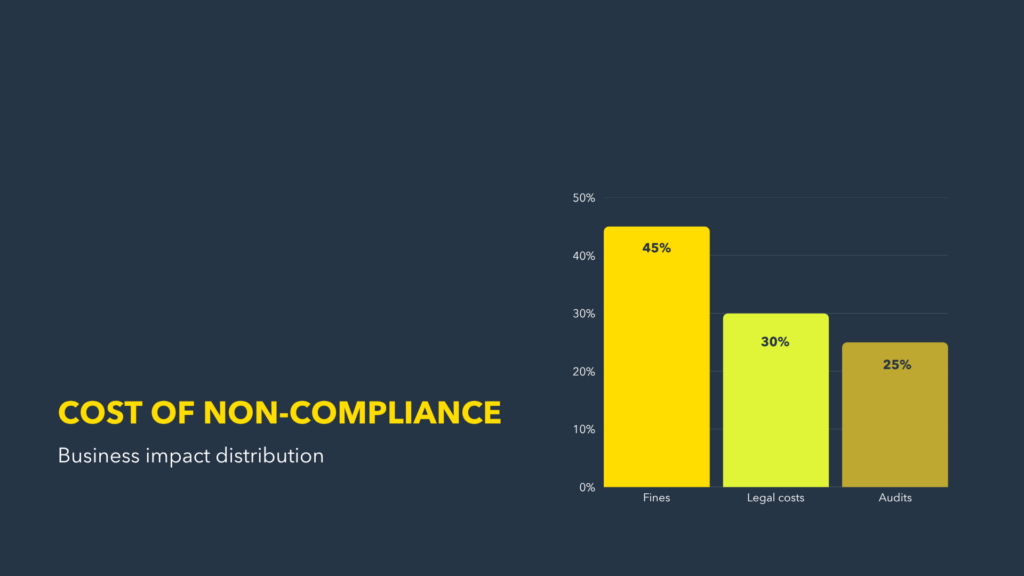
Financial penalties and legal risks
Failure to comply leads to significant consequences:
- Fines that can reach millions of dollars
- Increased legal and audit costs
- Risk of operational restrictions
In sectors like BFSI, penalties can represent up to 4% of annual revenue, making compliance a financial priority.
Reputation and trust damage
Beyond financial loss, companies face long-term brand impact:
- Loss of customer trust
- Reduced business opportunities
- Negative market perception
Therefore, maintaining compliance becomes essential for sustaining credibility.
Operational disruption
Regulatory failures can also affect daily operations:
- Delays in product launches
- Interrupted business processes
- Increased incident response times
As a result, operational efficiency declines while costs rise.
Strategies to achieve cybersecurity regulatory compliance
Organizations must take a proactive approach. However, many still react only after incidents occur.
Continuous risk assessment
First, companies must identify vulnerabilities:
- Conduct regular internal audits
- Evaluate IT infrastructure
- Analyze regulatory gaps
This enables informed decision-making and risk mitigation.
Implementation of advanced security controls
Next, businesses should strengthen their security posture:
- Data encryption for sensitive information
- Role-based access control
- Real-time monitoring systems
These measures help align operations with regulatory requirements.
Building a compliance-driven culture
Finally, compliance goes beyond technology:
- Ongoing employee training
- Clear incident response protocols
- Organization-wide accountability
As a result, companies improve resilience and reduce human error.
Scaling compliance through the right IT strategy
To effectively meet regulatory demands, companies need scalable and flexible solutions. This is where aligning cybersecurity with broader IT capabilities becomes essential.
For example, organizations can:
- Accelerate secure software development
- Integrate compliance into system architecture
- Strengthen teams with specialized talent
By doing so, compliance becomes part of the business strategy rather than a reactive task.
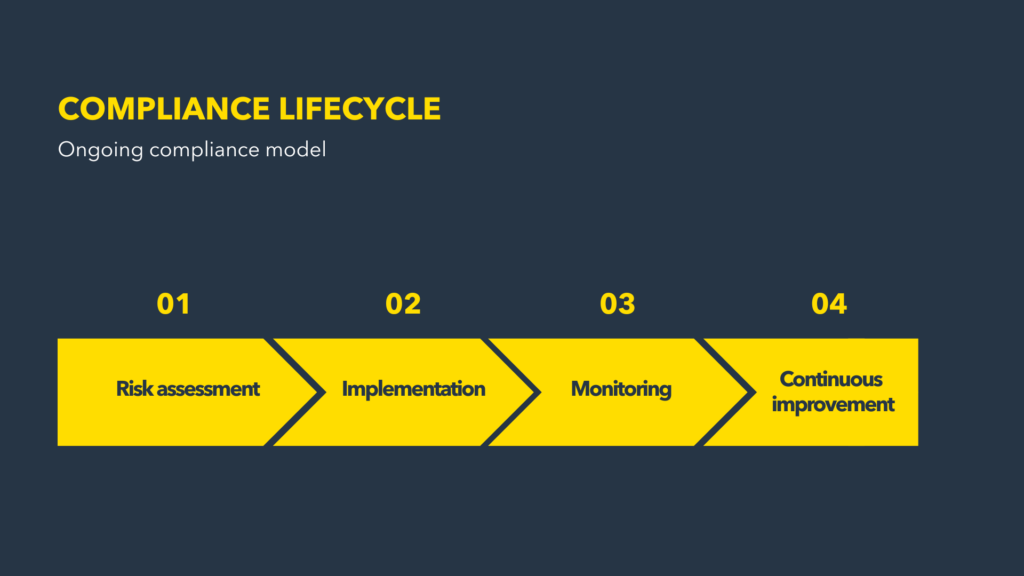
In an environment where regulations continue to evolve, reacting is no longer enough. Companies that embed compliance into their technology and talent strategy reduce risk, protect their reputation, and scale more efficiently.
Explore how to strengthen your operations with tailored solutions 👉 SERVICES
Xideral Team