

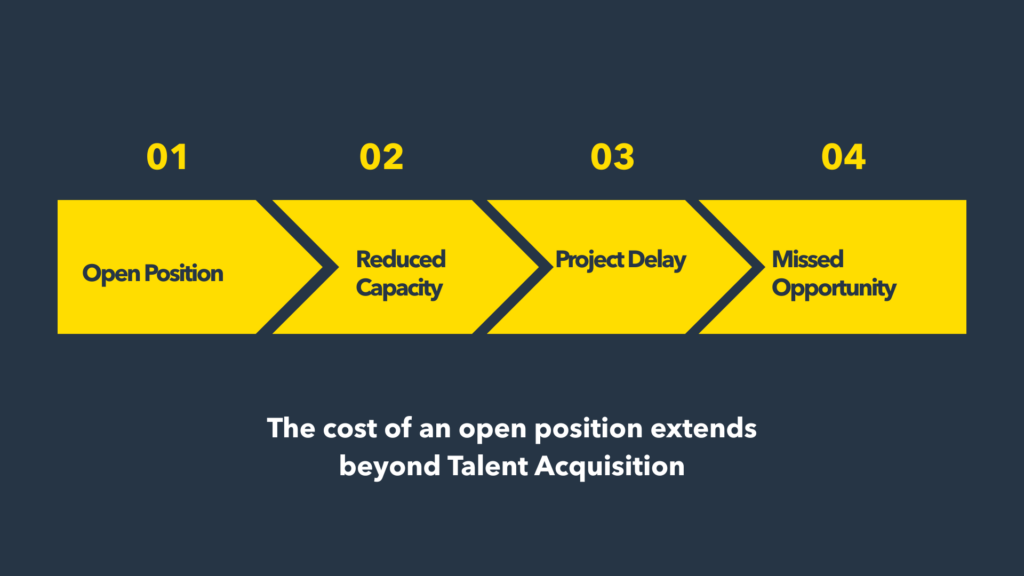
In technology, an open position is more than an unfinished hiring process. It can represent a delayed project, an overloaded team, or a missed business opportunity. That is why time to hire has become a strategic factor for organizations competing in increasingly dynamic markets. Companies no longer compete only for customers. They also compete to identify, attract, and secure specialized talent before someone else does.
SHRM reports that more than two out of three organizations faced difficulties filling open positions in 2026. Its latest benchmarking data also shows a median time-to-fill of 39 calendar days for nonexecutive positions.
Open positions create business pressure
A technology vacancy can directly affect execution. When a company lacks a developer, cloud architect, data specialist, SAP consultant, or other technical professional, existing team members often need to absorb additional responsibilities.
As a result, organizations can experience:
- Slower project delivery.
- Increased workload for existing teams.
- Delayed product launches.
- Higher execution pressure.
- Lost opportunities in competitive markets.
Therefore, tracking time to hire provides more than an HR metric. It helps business leaders identify recruitment friction that can directly affect execution.
Time to Hire as a Competitive Advantage
When multiple companies need the same technical profile, qualified candidates have more options. An organization that takes too long to move forward can lose candidates to competitors that make decisions faster.
Improving time to hire does not mean rushing every hiring decision. Instead, it means removing unnecessary friction, defining the role clearly, accelerating candidate identification, and maintaining communication throughout the process.
Speed needs structure.
SHRM recommends using time-to-hire and time-to-fill as indicators of recruiting process health while emphasizing that speed should not be evaluated separately from quality of hire.
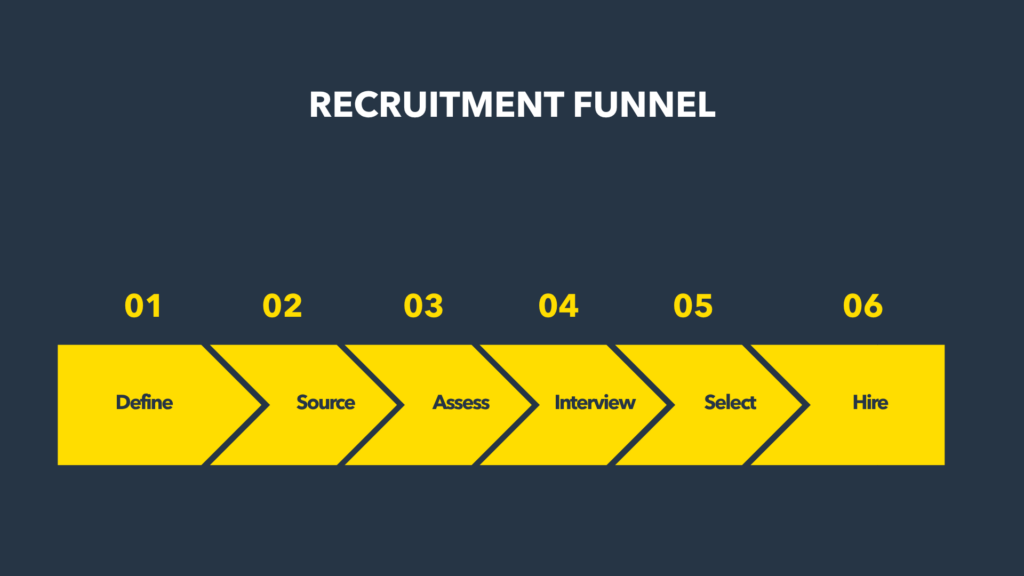
Where Does Hiring Slow Down?
Hiring delays often come from internal friction rather than a complete lack of candidates. Organizations can lose valuable days between each stage of the process.
Common bottlenecks include:
Defining the role.
Sourcing candidates.
Screening technical profiles.
Scheduling interviews.
Aligning hiring managers.
Approving the offer.
Every additional day creates another opportunity for a strong candidate to move forward with another employer.
Headhunting Can Improve Time to Hire
For specialized technology positions, posting a vacancy and waiting for applications may not provide the speed or precision that the business requires. Time to hire can improve when organizations gain direct access to professionals who already match the technical requirements.
This is where headhunting becomes valuable.
A specialized search can identify candidates based on specific criteria such as:
- Technical expertise.
- Seniority.
- Certifications.
- Platform experience.
- Industry background.
- Language proficiency.
- Location and availability.
A specialized recruitment team can also pre-screen candidates before presenting them to the organization. This reduces internal workload and allows hiring managers to focus on the profiles with the strongest potential fit.
Speed Without Sacrificing Quality
Fast hiring should never mean careless hiring. The objective is to create the right balance between speed, quality, and business alignment.
An effective approach combines three elements:
- Clarity: define exactly what the project needs.
- Access: reach qualified professionals beyond active applicants.
- Specialization: understand the technology and business context behind the role.
This turns speed from a recruitment metric into an organizational capability.
Talent Competes on Speed Too
The competition is not only between companies searching for candidates. Candidates also evaluate how quickly an organization communicates, interviews, and makes decisions.
A company with a clear process and consistent communication can create a stronger candidate experience. Conversely, a slow process can cause qualified professionals to disengage, even when the opportunity itself is attractive.
Time to hire can also reveal how an organization operates. It reflects decision-making speed, collaboration between teams, and the company’s ability to turn business priorities into action.
For technology organizations, talent acquisition should therefore become part of the competitive strategy.
The strategic question is no longer simply: “How much does hiring cost?”
It is: “How much does waiting cost us?”
With Xideral Headhunting, organizations can accelerate the search for specialized technology talent and connect critical projects with professionals aligned to their technical and business requirements.
Have a critical technology position that has remained open for too long? Discover how Xideral can help you access specialized talent and accelerate your next stage of growth.
Xideral Team