
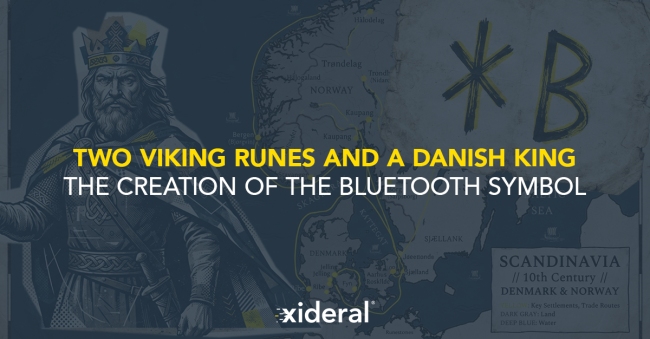
We use Bluetooth every day to connect headphones, keyboards, cars, smartphones and countless other devices. Yet the origin of the Bluetooth name goes back more than a thousand years to Harald “Bluetooth” Gormsson, a 10th-century Danish king known for consolidating Denmark and expanding his influence into Norway.
The connection between the king and the technology is surprisingly simple.
Bluetooth technology was designed to connect different devices through short-range wireless communication. Harald Bluetooth became associated with bringing territories together.
That idea of connection inspired the name that eventually became one of the most recognizable technology brands in the world.
Who was Harald Bluetooth?
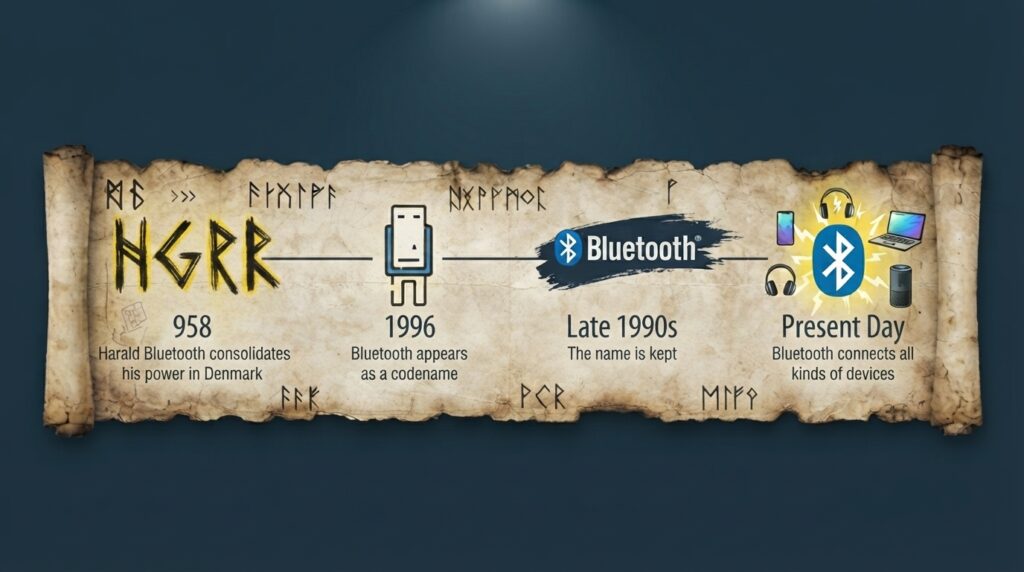
Harald Bluetooth Gormsson ruled Denmark from approximately 958 until around 986. He also controlled Norway for part of his reign and played an important role in the introduction of Christianity to Denmark.
His legacy remains closely connected to Jelling, Denmark, where famous runestones preserve important references to his reign. The Jelling site provides valuable insight into the political and cultural transformation of Denmark during the Viking Age.
Then there is his unusual nickname.
The traditional explanation connects “Bluetooth” with a dark blue or gray tooth. However, the precise historical origin of the nickname remains uncertain. The Bluetooth SIG itself includes the discolored-tooth explanation in its official account of the technology’s name.
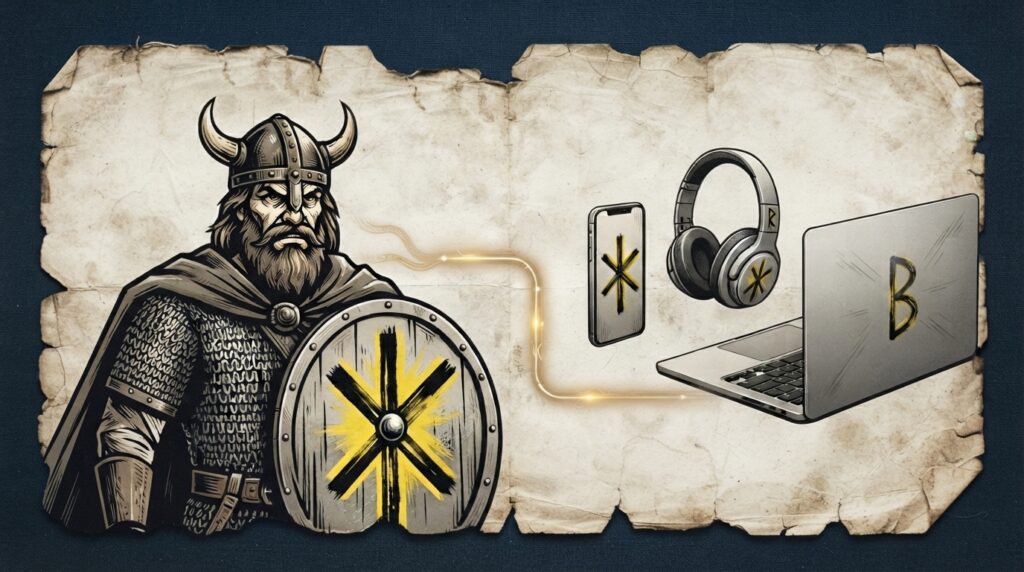
The origin of the Bluetooth name reached technology in the 1990s
The origin of the Bluetooth name in the technology industry dates to the 1990s. In 1996, Intel, Ericsson and Nokia were working on standardizing short-range wireless technology that could improve connectivity between different products and industries.
During those discussions, Intel engineer Jim Kardach suggested “Bluetooth” as a temporary code name.
The reference made sense. Harald Bluetooth had become known for bringing different territories together. The new wireless technology aimed to bring different industries and devices together.
The name was never supposed to become permanent.
Other options included RadioWire and PAN, short for Personal Area Networking. PAN initially looked promising, but the term already generated thousands of results online. Meanwhile, a complete trademark search for RadioWire could not be completed in time. Bluetooth ultimately remained the name.
A temporary name became a global technology brand
The story shows how a technical name can emerge from an unexpected cultural reference.
Bluetooth did not describe radio frequencies, bandwidth or wireless protocols. Instead, it communicated an idea: connection.
That idea helped turn a temporary code name into a permanent part of technology vocabulary.
The logo tells the story too
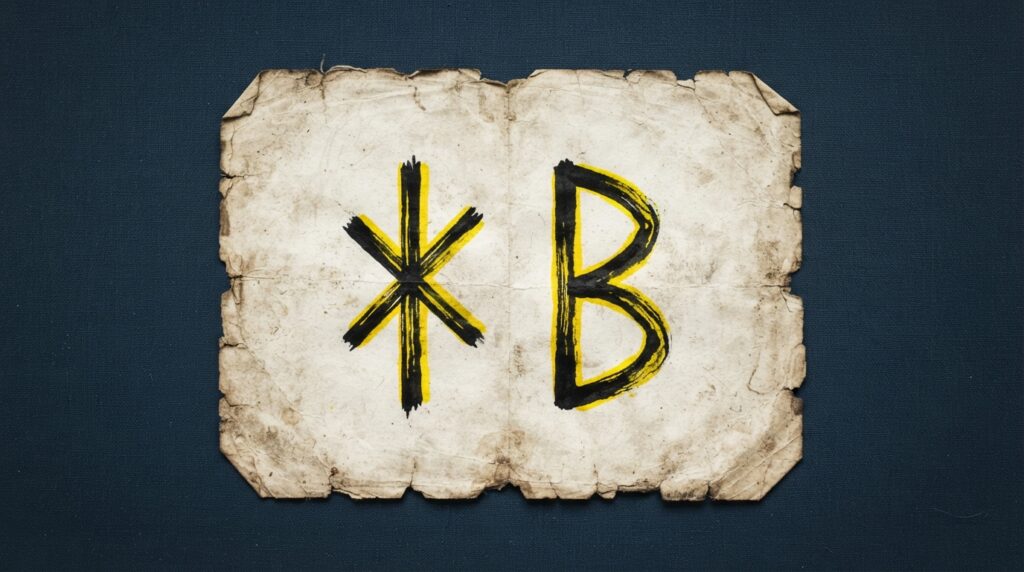
The origin of the Bluetooth name also explains the technology’s iconic symbol.
The Bluetooth logo combines two Younger Futhark runes: Hagall (ᚼ) and Bjarkan (ᛒ). Together, they represent the initials of Harald Bluetooth and create the bind rune used in the familiar Bluetooth symbol.
That means the logo itself carries a piece of Viking history.
Every time the symbol appears on a phone, laptop, headset, car or other device, it connects modern technology with a story from medieval Scandinavia.
From a Viking king to global connectivity
The most fascinating part of the origin of the Bluetooth name is the connection between the original idea and the technology’s purpose.
Harald Bluetooth became associated with bringing territories together. More than a millennium later, engineers borrowed that concept to name a technology designed to connect different devices.
A Viking king became the unexpected inspiration behind wireless connectivity.
So, the next time you see the Bluetooth symbol on your phone, headphones or car, remember that the story behind it began long before smartphones, wireless networks and digital technology.
Want to discover more stories where technology, history and innovation meet? Explore more technology stories and geek curiosities on our blog.
Xideral Team