
IT cost optimization has become a strategic priority for enterprise organizations seeking to improve efficiency while maintaining competitive advantages. However, many companies discover that aggressive cost-cutting initiatives can unintentionally slow innovation, delay projects, and limit their ability to adapt to changing market demands.
Technology leaders must balance two critical objectives. They need to control spending while continuing to drive digital transformation and business growth. As a result, successful organizations focus on optimizing investments rather than simply reducing budgets.
How IT Cost Optimization Affects Enterprise Innovation
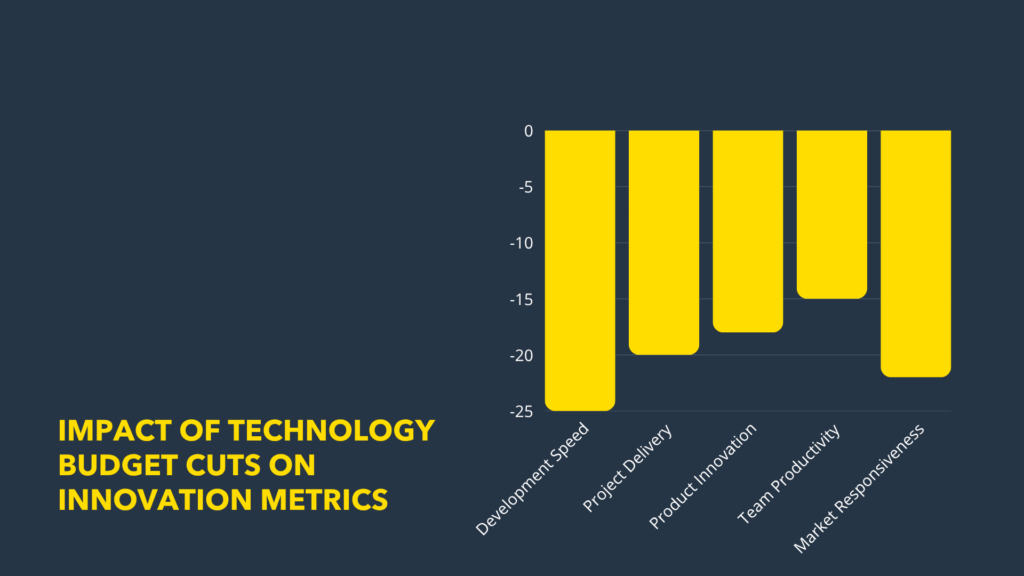
When companies face financial pressure, they often freeze hiring, postpone technology initiatives, or reduce development budgets. While these actions may generate immediate savings, they frequently create long-term challenges.
Common consequences include:
- Slower product delivery cycles.
- Increased technical debt.
- Reduced innovation capacity.
- Overloaded internal teams.
- Lower market responsiveness.
Furthermore, limited resources can reduce productivity and increase operational inefficiencies. Consequently, organizations may spend more time and money achieving the same business outcomes.
IT Cost Optimization Strategies That Preserve Growth
Leading enterprises take a more strategic approach to balancing efficiency and innovation. Instead of reducing capabilities, they optimize resource allocation and operational flexibility.
1. Scale Talent Based on Demand
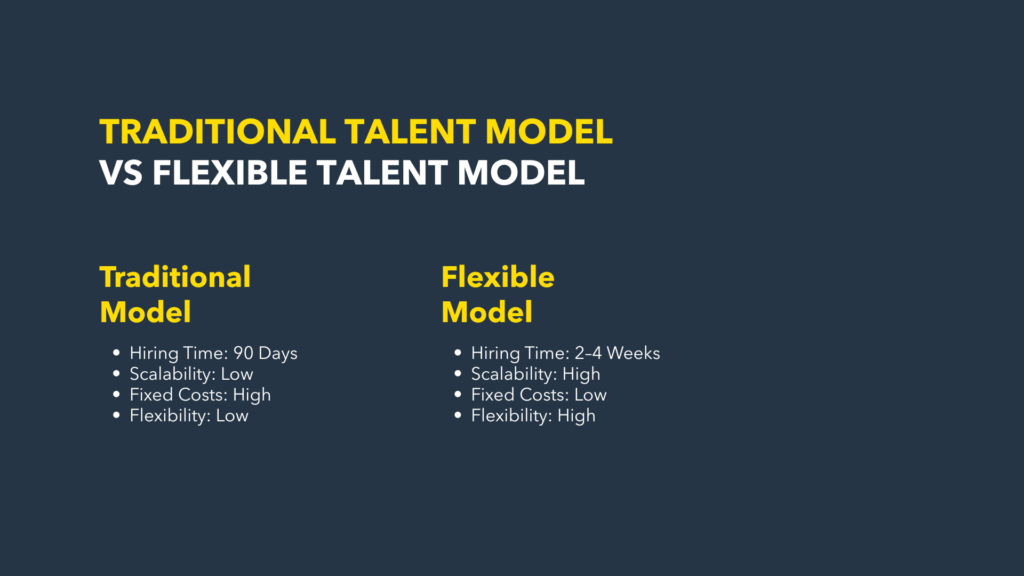
Staff Augmentation enables organizations to access specialized professionals when projects require additional expertise. This approach reduces permanent staffing costs while maintaining access to critical technical skills.
In addition, companies can quickly respond to new business opportunities without expanding their long-term workforce structure.
2. Accelerate Delivery Through Specialized Teams
Partnering with a Software Factory allows organizations to execute projects more efficiently. Because these teams operate with proven methodologies, established processes, and specialized expertise, they can reduce implementation timelines and operational risks.
As a result, businesses improve return on investment while maintaining development velocity.
3. Prioritize High-Value Initiatives
Not every technology project delivers equal business value. Therefore, organizations should focus investments on initiatives that generate measurable outcomes and support strategic objectives.
This approach helps maximize results without increasing spending.
Why IT Cost Optimization Requires Operational Flexibility
Adaptability has become a major competitive advantage. Organizations that can adjust resources quickly are better equipped to respond to economic changes, market opportunities, and evolving customer expectations.
For example, flexible workforce models allow companies to expand teams during critical development phases and reduce capacity once objectives are achieved. Consequently, businesses maintain financial control while preserving execution speed.
Moreover, flexible operating models reduce risks associated with long-term hiring commitments in uncertain business environments.
The Future of IT Cost Optimization in Enterprise Environments
Future technology strategies will increasingly combine financial efficiency with continuous innovation. Organizations that adopt flexible workforce and development models will be better positioned to compete in rapidly evolving markets.
Cost reduction will remain important. However, leading enterprises understand that the ultimate goal is to optimize resources without limiting growth. Innovation should not be treated as an expense. Instead, it should be viewed as a strategic investment that creates sustainable competitive advantages.
Looking to balance financial efficiency and innovation? Explore how Staff Augmentation and Software Factory services can help your organization scale capabilities, accelerate delivery, and optimize technology investments without slowing growth.
Xideral Team