
Companies accelerated their technology investments throughout 2026. However, speed does not always create value. Effective technology risk management helps organizations recognize that the biggest problems often come from how technology is implemented, secured, maintained, and integrated into the business.
From uncontrolled AI adoption to cybersecurity gaps, technical debt, talent shortages, and poorly planned digital transformation, these mistakes can turn strategic investments into significant operational costs.
The goal for 2027 should not simply be to adopt more technology. Instead, companies should make better decisions, prioritize investments, and connect every initiative to measurable business outcomes.
1. Adopting AI Without Preparing the Infrastructure
Artificial intelligence became a priority for organizations across industries. However, implementing AI without reviewing data, infrastructure, access controls, and internal policies can create new vulnerabilities.
The problem is not AI itself. The problem begins when organizations introduce AI tools without defining who can use them, what information they can process, and how their outputs should be monitored.
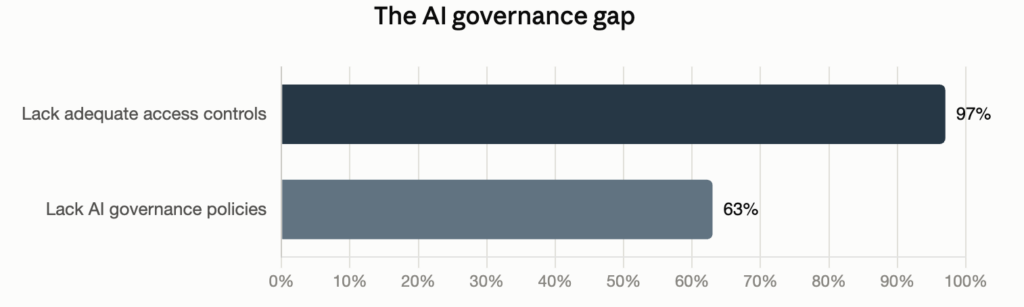
IBM reported that 97% of organizations experiencing an AI-related security incident lacked proper access controls, while 63% did not have an AI governance policy.
Lesson for 2027: Companies should establish AI governance, security controls, data policies, and employee training before scaling AI initiatives.
. Treating Cybersecurity as a Cost Instead of Infrastructure
Another expensive mistake is reacting to security incidents instead of building resilience from the beginning.
Cloud platforms, APIs, AI applications, connected devices, and distributed teams continue to expand the attack surface. As a result, cybersecurity must become part of the technology architecture rather than an additional layer added later.
IBM reported in July 2026 that one in four malicious breaches analyzed was AI-enabled, with these incidents costing organizations approximately $6 million on average.
This makes technology risk management increasingly important. Organizations need continuous monitoring, endpoint protection, identity management, incident response, and regular vulnerability assessments.
Lesson for 2027: Security should be designed into technology environments from day one.
Training Is Also Part of Cybersecurity
Technology alone cannot eliminate risk. Employees and technical teams need to understand emerging threats, security protocols, data protection, and responsible AI usage.
3. Letting Technical Debt Keep Growing
Modernization often competes with new features for budget and attention. As a result, companies may postpone refactoring, system upgrades, and architectural improvements.
That decision can become expensive.
Technical debt increases development times, complicates integrations, creates dependency on outdated technologies, and raises maintenance costs. Gartner has also identified technical debt as an important factor influencing technology infrastructure and operations costs and risks.
Lesson for 2027: Technology budgets should not focus exclusively on innovation. Organizations must also protect the systems that make future innovation possible.
A practical approach includes:
Inventory critical applications and systems.
Identify outdated components.
Measure maintenance costs.
Prioritize systems with the greatest operational impact.
Create a modernization roadmap.
4. Hiring Quickly Without Building Capabilities
The technology talent shortage can push companies toward short-term hiring decisions. Filling a position quickly may solve an immediate problem, but it can create greater dependency in the long term.
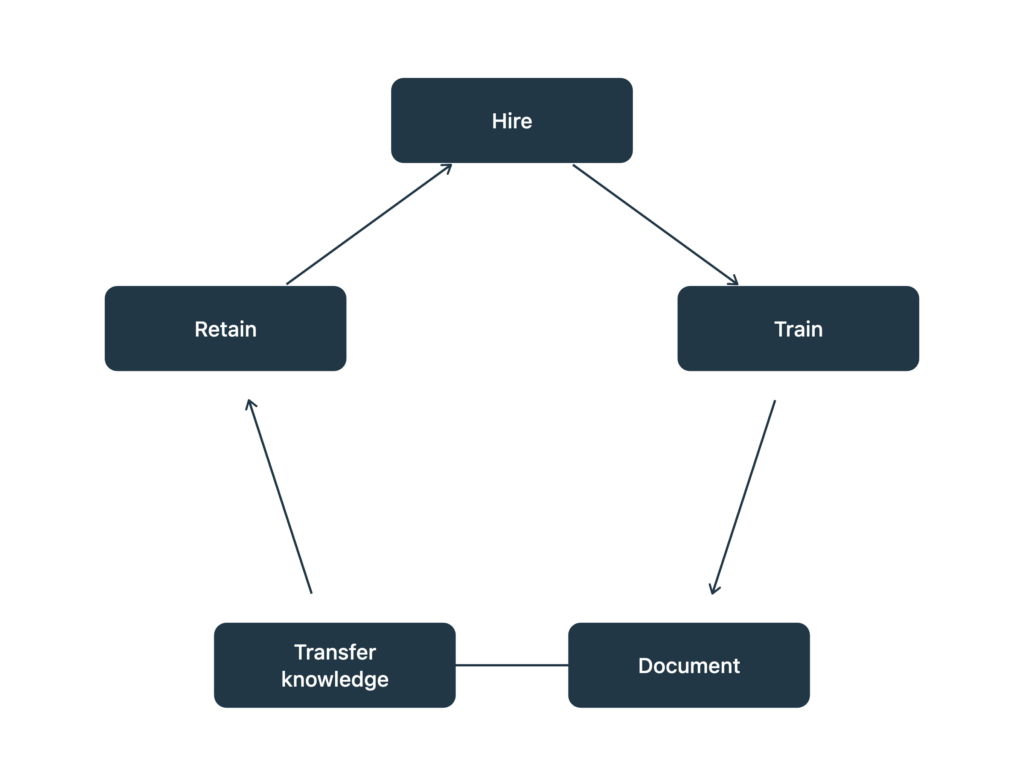
Organizations should combine hiring with continuous training and knowledge transfer. This approach reduces dependency on individual specialists and strengthens operational continuity.
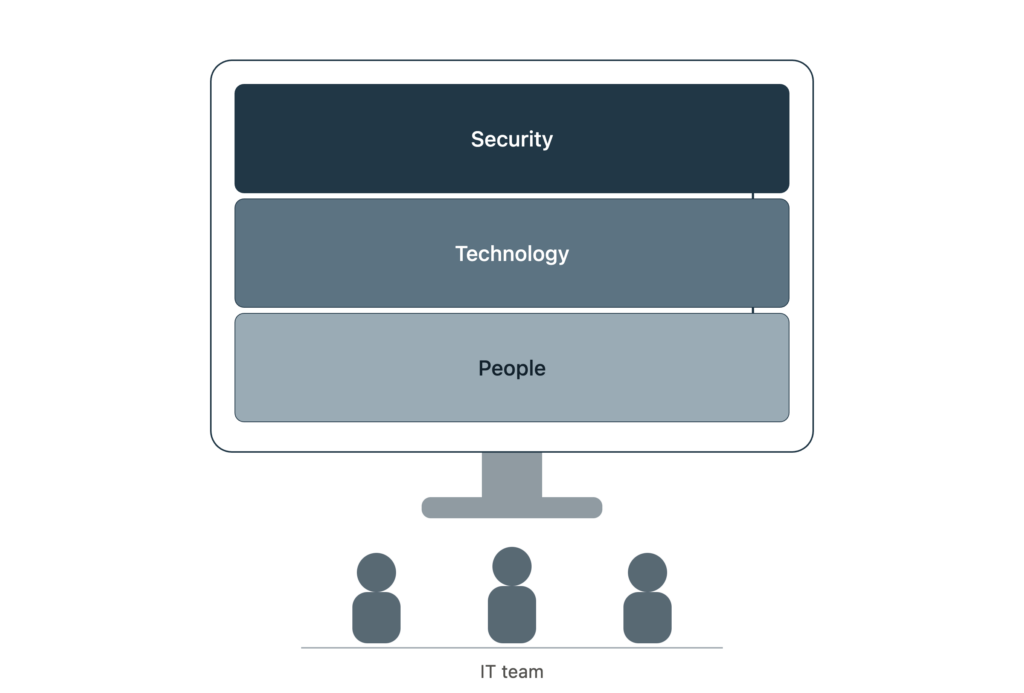
Effective technology risk management must also consider people-related risks.
What happens if a key developer leaves? How much project knowledge is documented? Can another specialist take over quickly? Does the organization have an internal pipeline of trained talent?
Lesson for 2027: Talent strategy should become part of technology strategy.
5. Transforming for the Sake of Transformation
Finally, some organizations launched digital initiatives without clearly defining the business problem they wanted to solve.
Moving to the cloud, implementing a new platform, or developing a new application does not automatically create digital transformation.
Every initiative should have a clear purpose and measurable outcome.
Before approving a technology project, leaders should ask:
- What business problem does it solve?
- Which metric should improve?
- What risks will it introduce?
- What capabilities will the team need?
- How will the solution be maintained after launch?
Technology creates value when it connects strategy, operations, and measurable results. Therefore, digital transformation in 2027 should prioritize sustainable outcomes over technology trends.

The 2027 Lesson: Technology Needs Strategy
The most expensive technology mistakes rarely come from choosing the wrong tool alone. More often, they come from making decisions without considering cybersecurity, talent, infrastructure, technical debt, and business objectives.
Organizations can avoid repeating these mistakes by building an integrated strategy that combines innovation with technology risk management.
The priority for 2027 should not be adopting everything new. It should be building a technology operation capable of evolving without accumulating unnecessary risks.
Is your organization ready to grow without increasing its technology exposure? Discover how Xideral can support your strategy through Digital Transformation, and Training Academies, combining cybersecurity, technology development, and specialized talent development.
Xideral Team